Cross-Connections and Backflow Prevention: Ensuring Safe Drinking Water
Key details on how you can protect your water supply through cross-connection control and backflow prevention.
Key details on how you can protect your water supply through cross-connection control and backflow prevention.
A cross-connection is any physical connection, whether temporary or permanent, between a water supply that is safe for human use (drinking, bathing, washing, etc.) and a source of unsafe water (sewage, chemicals, etc.) that could pose a severe health risk should that unsafe water contaminate the safe water through backflow.
Backflow can result in an unexpected and dangerous flow of contaminated water back into the safe water supply.
A hydraulic event can cause pressure changes such as backsiphonage (an event in the water supply system that causes a vacuum or partial vacuum that sucks water back into the system) or backpressure (a higher pressure on the customer side, which can be caused by pumps, boilers or gravity in elevated systems, that pushes water into the water supply system). These pressure changes can cause the normal direction of the water flow to reverse.
Common examples of a hydraulic event that can cause backflow include:
Some common residential cross-connections are:
A backflow prevention assembly is testable and designed to protect safe water supplies by ensuring water flows only in a single direction. When the backflow prevention assembly's valves close, it prevents water from flowing backward through it, thus preventing any contaminants from entering the safe water supply.
These are examples of testable backflow prevention assemblies that homeowners may find on their properties, for systems such as fire sprinklers or in-lawn irrigation.
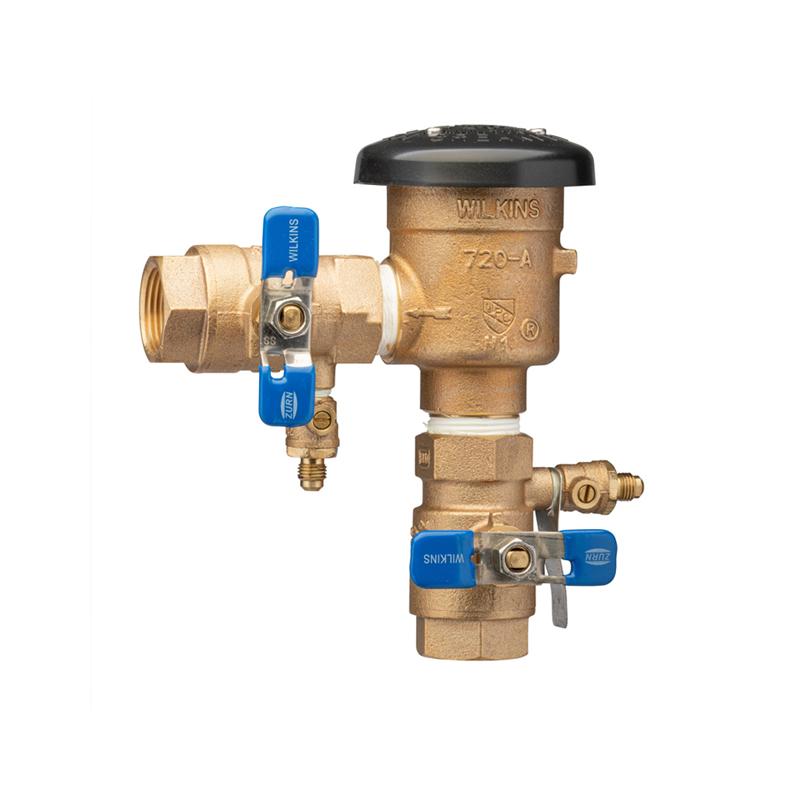
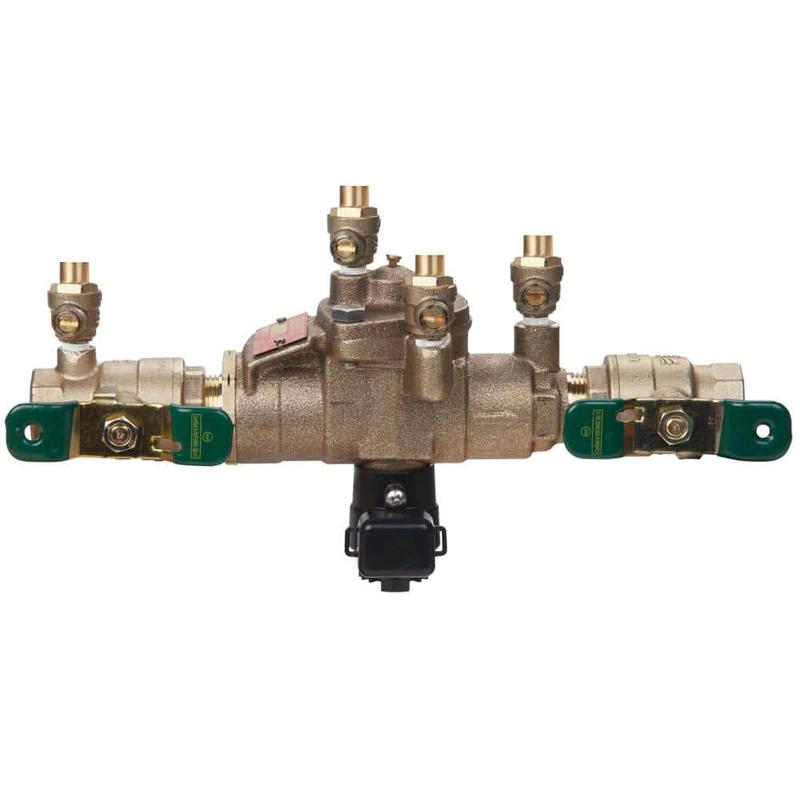
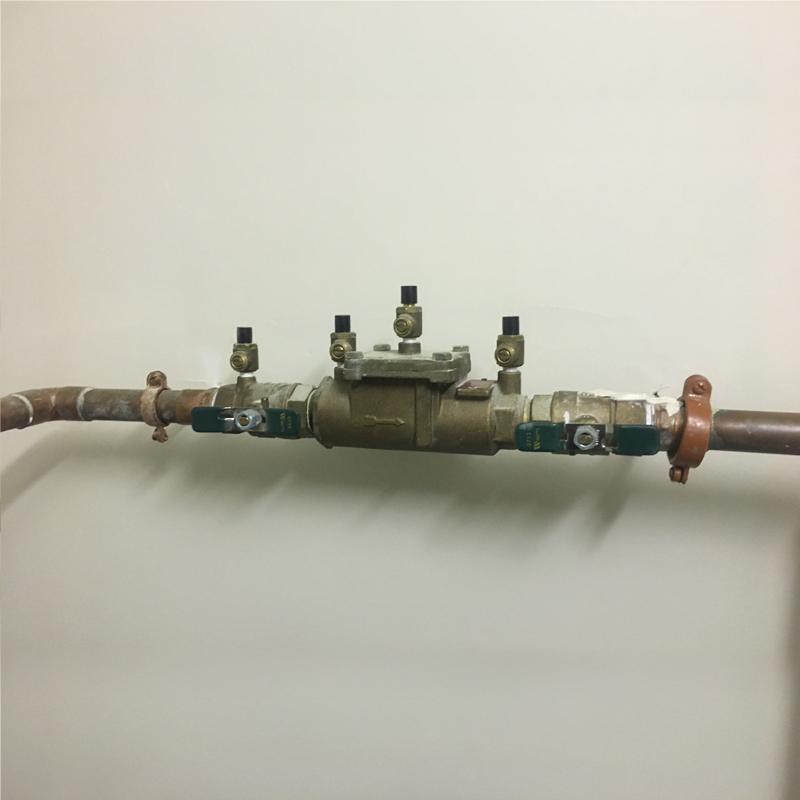
If you are responsible for protecting a cross-connection with a backflow prevention assembly and that assembly is not functioning correctly and a backflow event occurs, you may be held liable for any resulting illness, death, property damage and WSSC Water system contamination.
Testing compliance may help reduce your liability.
The Maryland State Plumbing Code and the WSSC Plumbing and Fuel Gas Code regulate cross-connection control and backflow prevention requirements. Only WSSC-licensed, registered journeymen or master plumbers who are also certified cross-connection technicians are authorized by code to test and repair backflow prevention assemblies.
Journeyman and master plumbers certified as cross-connection technicians will have completed an initial WSSC Water-approved 32-hour certification course (recertified every 3 years).
According to the WSSC Plumbing and Fuel Gas Code, only firms registered under a licensed master plumber can perform plumbing services, including backflow prevention assembly installation, repair and testing. Therefore, cross-connection technicians must be working under the direction of a WSSC Water-registered and -licensed principal master plumber.
WSSC Plumbing and Fuel Gas Code
The Federal Safe Drinking Water Act mandates that public water systems comply with specific requirements regarding cross-connections and backflow prevention and authorizes the Environmental Protection Agency to oversee them. Organizations that source, treat and distribute drinking water, like WSSC Water, are required to implement a cross-connection control plan after approval from their regulator.
WSSC Water thoroughly inspected our treatment plants and pumping stations to ensure that we are in full compliance. Inspections then took place on a priority-based matrix, giving the highest priority to commercial properties with the highest degree of hazards, while also assessing their hydraulic vulnerability.
Approved modern plumbing fixtures (like sinks, toilets, dishwashers) have built-in backflow protection, such as air gaps. However, certain systems, such as lawn irrigation, hydronic heating (boiler) systems, cooling towers, water-operated sump pump backup systems, fire sprinkler systems and continuous direct pressure conditions require additional backflow protection. Additional protection is also important in commercial and industrial applications where continuous direct pressure connections are needed for water flow.
Cross-Connection Test Reporting
The following list includes examples of testable applications. Refer to Chapter 5 of the WSSC Plumbing and Fuel Gas Code for a complete list.
Refer to Chapter 5 of the WSSC Plumbing and Fuel Gas Code for a complete list.

WSSC Water needs your help to catch up on years of non-reporting and non-compliance. Customers are asked to complete a self-survey of all connections on their property.
Complete your self-survey today (PDF 339 KB)
The self-survey can be completed by the owner, tenant or a plumber. For accurate results, ensure that both owners and tenants share this notice. Homeowners with testable backflow assemblies may also complete a self-survey via phone or email.
When seasonal water use systems such as irrigation systems, pools, pool houses, and summer homes are reactivated, a registered plumbing firm must test the connected backflow assemblies. Additionally, the WSSC Plumbing and Fuel Gas Code requires that the registered plumbing firm electronically submit test results to WSSC Water.
Tip for owners: Consider including backflow testing to your spring start-up contract for pools and irrigation systems.
WSSC Water Code officials, engineers, plumbing installers and property owners ensure proper backflow protection in new construction buildings. However, ongoing maintenance is necessary to keep systems functioning properly.

Our 11 dedicated inspectors who cover the service area are actively identifying unprotected or improperly protected facility cross-connections based on priority.
Backed by a strong administrative team, we maintain our database, send reminders, and run our self-survey program to keep everything running smoothly.